01
Product discovery & validation
A dedicated track to pressure-test a bet your team can't pause to chase.
- User research
- Market validation
- Decision report with go / no-go
MindFuture Tech is the in-house R&D team for Zibra Holding's portfolio companies — turning product, data, and hardware questions into time-boxed missions with measurable business impact.
14+ portfolio companies across MedTech, IoT, FinTech, Cybersecurity and Industrial Innovation.
The R&D capacity the portfolio companies don't have on payroll — from research to a running prototype. We step in when a portfolio company doesn't have the time, specialist skills, or budget to commit a dedicated R&D track to a value-creating bet. We deliver everything from research and feasibility studies to working prototypes, ready for handover and implementation.
A dedicated track to pressure-test a bet your team can't pause to chase.
Specialist focus to take a data bet from question to working prototype.
An outside, dedicated review when your team is heads-down shipping.
Specialist hardware capacity to de-risk a bet without pulling from product.
Discipline about scope is what lets a small team produce honest answers. We say no to anything that would dilute that.
We hand off to your team once a mission ends. Running live systems, incident response and uptime SLAs sit with the operating company.
We work alongside your CTO or tech lead — never in their seat. Strategic ownership and hiring decisions stay inside the portfolio company.
Every mission starts with a decision to be made and a measurable outcome. If we can't tie the work to valuation, risk or decision quality, we don't take it.
We aren't a body shop. Our value is a small team producing a defensible answer in weeks — not filling seats on someone else's roadmap.
A 30-minute conversation to frame the question and stakes.
A one-page document: hypothesis, decision, success criteria.
Reviewed against portfolio companies' impact and available capacity.
A small team works in the open with weekly check-ins.
Evidence, recommendation, and reusable assets shipped to your team.
A living map of the languages, hardware, frameworks and standards we use across portfolio missions.
A CEO or C-level owner accountable for acting on the answer.
Someone in your company who carries context and continuity through the mission.
Including the answer 'don't build this'. We optimise for decision quality, not output.
Every mission is judged on whether it moved your business — not on activity.
We look first at the things that show up on a P&L: new revenue streams or pricing power the mission unlocked, margin and efficiency gains from automation or better decisions, and material risks taken off the table — single points of failure removed, legacy systems modernized, compliance gaps closed.
We also track the speed and quality of the decision itself: how quickly we got from an open question to a clear "build, kill, or pivot," and whether that decision held up six and twelve months later. Not every mission moves a P&L line in the quarter it ends — but each one should leave you with a better-informed bet and a documented rationale you can stand behind.
At the family-office level, success is measured across companies, not inside one.
We track how many missions we complete each year and how they're distributed across product, data, software, and hardware — a healthy mix means the team is being deployed where the portfolio actually needs it. More importantly, we track value events the team contributed to: exits, up-rounds, revaluations, or major strategic shifts where R&D was part of the story.
Finally, we measure reuse. When a component, architecture, or playbook built for one company gets adopted by another, the family office gets compounding return on a single investment. Reusable assets adopted across the portfolio are the clearest sign that we're building a platform, not just running projects.
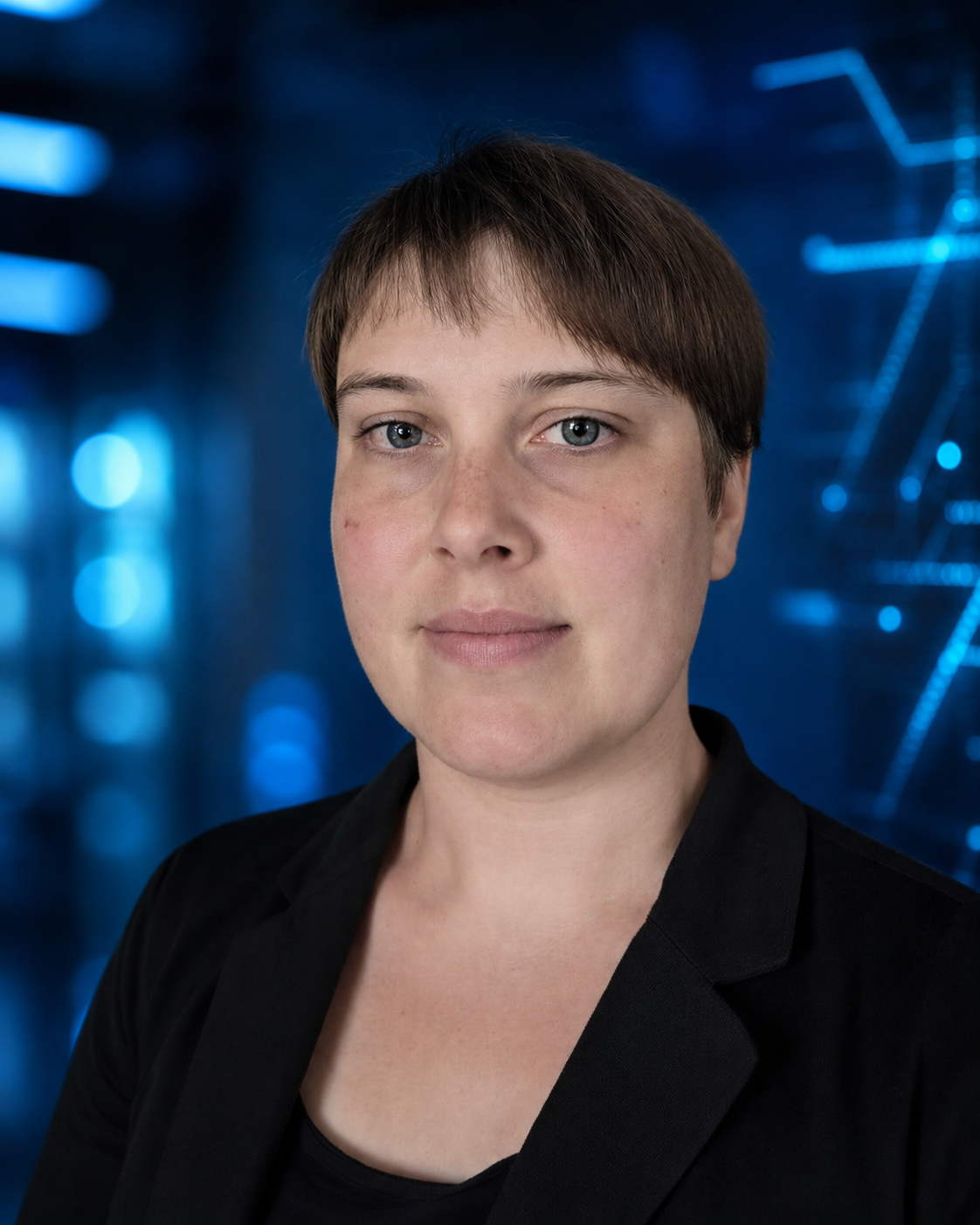
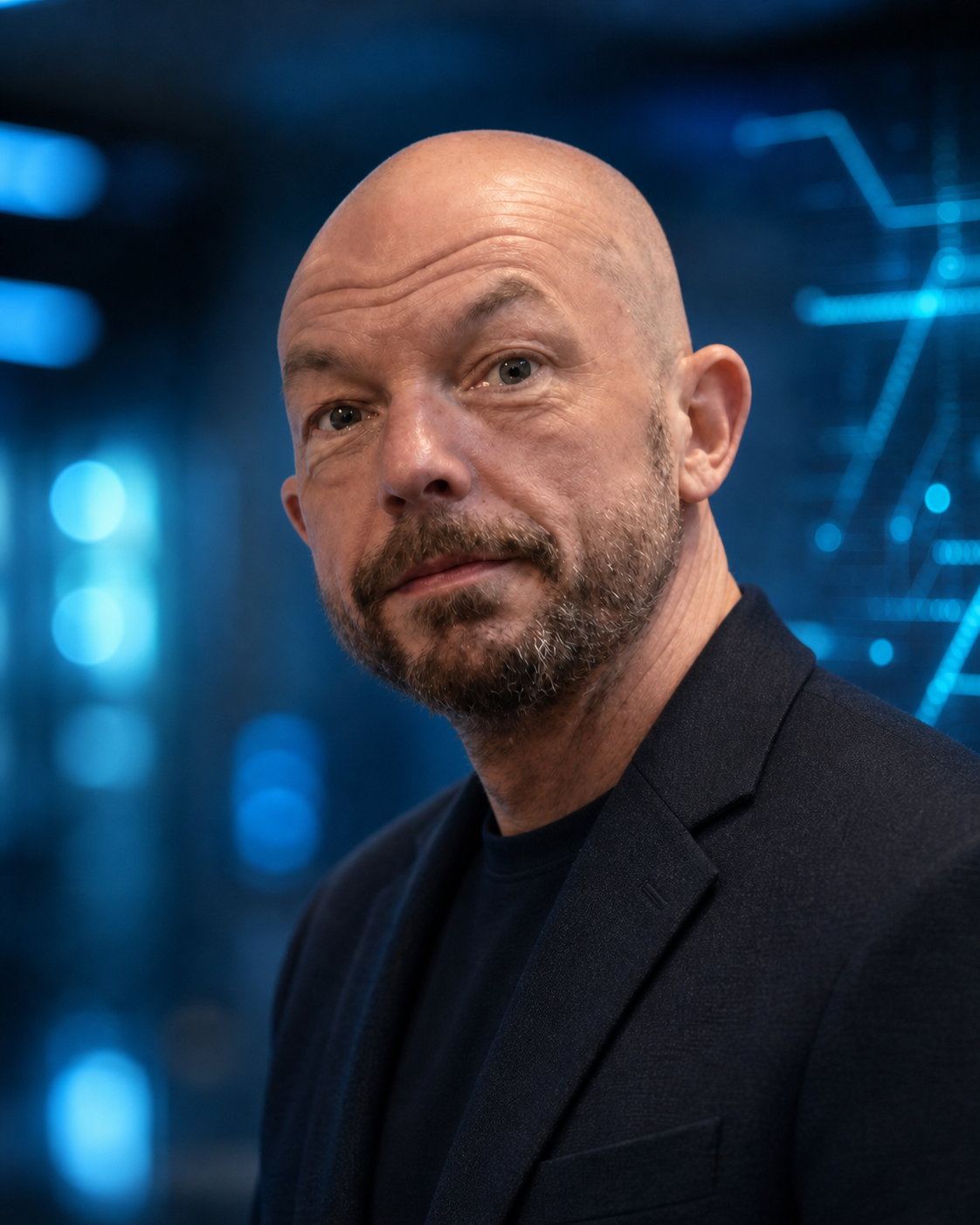
Four operators with deep skin in the game. No layers between question and answer.
Team Lead · AI Expert & Strategic Advisor
Data Scientist
Data Scientist
Electronics Engineer
Every mission is anchored to a decision that moves valuation, revenue, margin or risk — not to technology for its own sake.
We commit to 4–12 week missions with a fixed end date, so the conversation stays about outcomes instead of open-ended scope.
Recommendations are backed by data, prototypes and tests you can inspect — not opinion, slideware or vendor narratives.
We name the costs, risks and assumptions behind each option, so executives can make informed bets rather than hopeful ones.
Code, models and playbooks are documented for handover and reuse across the portfolio companies — no black boxes left behind.
Sensitive context stays inside the mission. We protect IP, attribute work honestly and never play portfolio companies against each other.
Briefs are reviewed weekly. We respond within two business days with either an intake call or a candid reason we're not the right team.